Unlock the potential of pay-per-click (PPC) advertising for your business, bringing more leads, improved conversion rates, and a better ROI
Diving into the world of online advertising can seem like a daunting endeavor, especially when terms like “pay-per-click” or “PPC” get thrown around. With myriad platforms to choose from and a plethora of features to learn, the path might appear complicated
What is Pay-Per-Click?
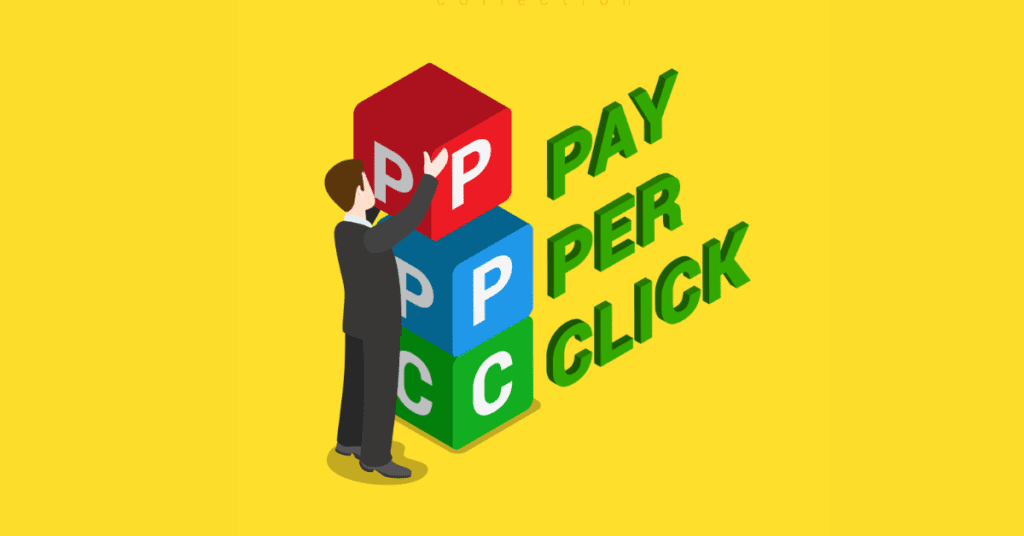
At its core, pay-per-click is an online advertising model where advertisers pay a fee every time their ad gets clicked. Rather than earning those visits organically, PPC allows businesses to buy visits to their sites. It’s essentially a way of buying targeted traffic to your website
For a deep dive, consider exploring “Decoding Digital: A Comprehensive Guide to PPC in 2023” to better understand the nuances of this advertising model.
Why is PPC Important?
- Immediate Traffic: Unlike SEO, which requires time and patience, PPC can bring immediate results. If you’re looking for a quick boost in traffic, PPC is the way to go.
- Budget Control: With PPC, you set your budget. Whether you have $10 or $10,000 to spend, you’re in control of how much you’re willing to pay for a click.
- Targeted Audience: PPC allows for precise targeting. You can target users based on location, keywords, demographics, and even the device they’re using.
How to Start with Pay-Per-Click
- Determine Your Goals: Before diving in, understand what you aim to achieve. Are you looking to boost website traffic, increase sales, or raise brand awareness?
- Research Keywords: Understand what potential customers might type into search engines. Use tools like Google Keyword Planner for insights.
- Set a Budget: Decide on a daily or monthly budget. Remember, it’s not about how much you spend, but rather how wisely you spend.
- Craft High-Quality Ads: Your ad copy should be compelling and relevant to the keywords you’re targeting. A high-quality ad can result in lower costs and better ad positions.
- Landing Page Relevance: Ensure that the page you’re sending traffic to is relevant, functional, and provides a seamless user experience. This can improve your Quality Score and lower your cost per click.
- Test and Refine: Monitor your ads. Test different keywords, ad copies, and landing pages to see what works best.
Optimizing Your PPC Campaigns
- Use Ad Extensions: These provide additional information and can significantly increase click-through rates.
- Adjust Bids for Geolocation: Maybe your services appeal more to a particular region. Adjust bids based on locations that convert best.
- Schedule Ads: Run your ads at optimal times when your audience is most active.
- Refine Landing Pages: Continuously test and optimize your landing pages to enhance user experience and conversion rates.
1. What is the difference between PPC and SEO?
How do I know if my PPC campaign is effective?
1. Can I do PPC for any search engine?
Related Post
Dominating the B2B Search Engine Landscape: Strategies for Success
Link Building Outsourcing in 2023: A Hands-on Guide to Getting it Right